
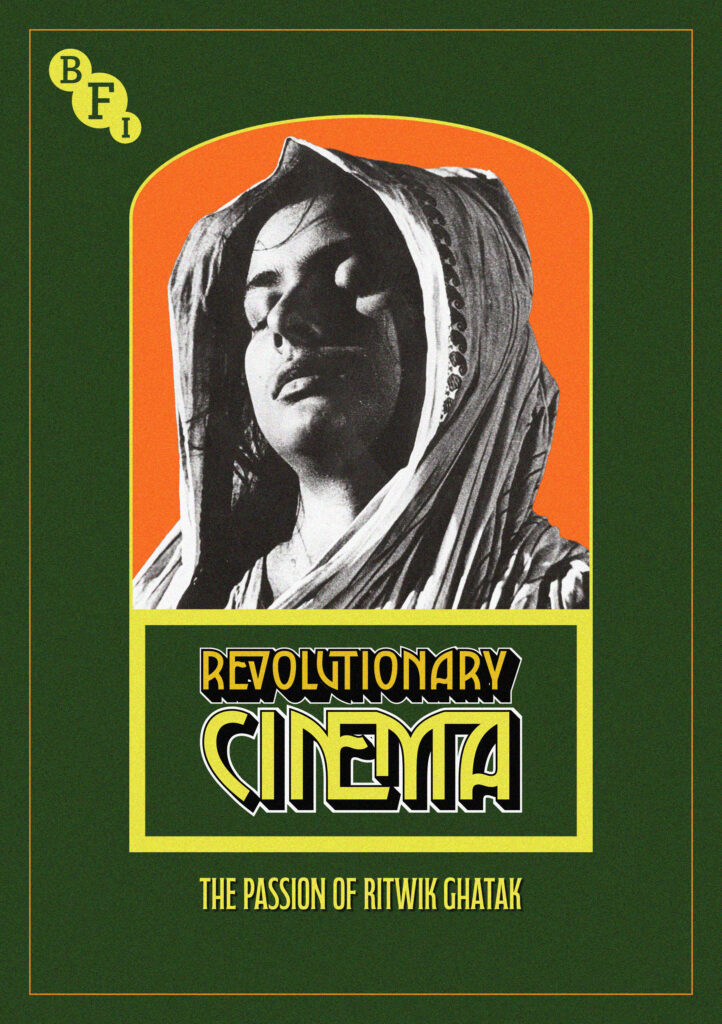
Despite London’s sweltering heat the audiences are thronging to BFI Southbank to watch Ritwik Ghatak’s Cinema which has been showcased for the first time at the British Film Institute (BFI), Southbank, London.
“On the centenary of his birth, we celebrate the cinema of Ritwik Kumar Ghatak, a visionary filmmaker and committed chronicler of Partition and uprooted peoples”, writes season curator Sanghita Sen.
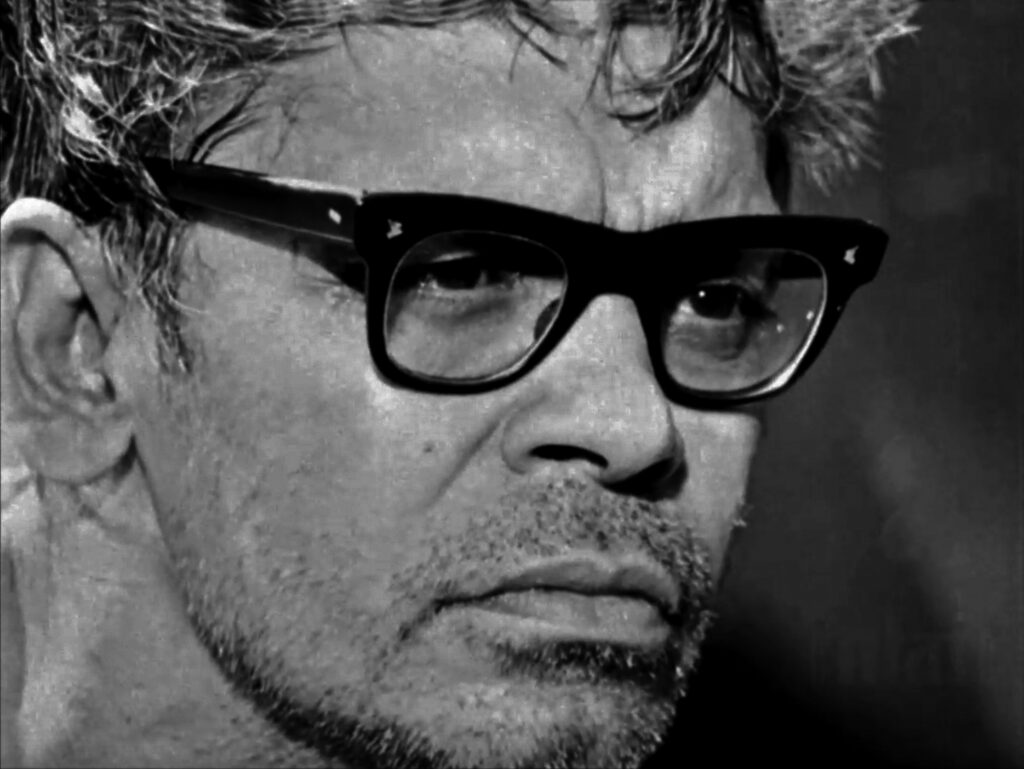
South Asian Cinema Foundation (SACF), is organising a special webinar ‘Enigma of Ritwik Ghatak’ on Tuesday 30 June with Arun Khopkar, film scholar, writer, actor and filmmaker who was taught filmmaking by Ritwik Ghatak. The other speakers are filmmaker, writer cinematographer Mazhar Kamran, film academic Gayatri Chatterjee and Zahid Khan who has recently edited a voluminous Hindi book on Ghatak. The webinar will be streamed live on YouTube on Tuesday 30 June at 4 pm London and 8.30 pm Indian standard time.
The programme at the BFI includes new restorations of every feature, alongside three unfinished films, two he wrote, one he acted in, and 13 fiction and documentary shorts. Through dazzling innovations in cinematic storytelling, Ghatak examined the human cost of political betrayal, probing the fractures of family, culture and social justice, always with hope and courage. His work was far ahead of its time and stands today as a thrilling testament to cinema’s emotional, political and moral power.
Nagarik (The Citizen, 1952) was a crowdfunded film, released posthumously in 1977, could have marked the beginning of the Indian New Wave.
The story of a displaced family taking shelter in a rental house resembling a claustrophobic well, The Citizen heralds Ghatak’s cinematic universe, structured around the themes of dislocation and the lost ‘home’, and underpinned by resounding optimism.
Ajantrik (The Pathetic Fallacy, 1958) tells the story of Bimal and Jagaddal, the car he bought when his mother died. Blending humanist drama, absurdist humour and inventive sound design, the film transforms a machine into a living character, offering
a reflection on modernity, alienation and connection.
In Bari Theke Paliye (The Runaway, 1959) a young boy runs away to Kolkata, chasing freedom
and adventure. Observing the city through a child’s
disillusioned yet ultimately optimistic gaze, it combines humour with understated social critique.
Ritwik Ghatak is known for his The Partition Trilogy.
Meghe Dhaka Tara (The Cloud-Capped Star, 1960) is the only commercially successful film during Ghatak’s lifetime that depicts the rupture of Partition through a refugee family. Developing the ‘Great Mother’ archetype, Ghatak politicises melodrama with radical sound and image.
Personal suffering transforms into a haunting expression of collective trauma and enduring social injustice that refuses to fade from memory.
Komol Gandhar ( E-Flat, 1961) is a semi-autobiographical work, set amid the factional infighting of the Communist theatre scene of Kolkata. E-Flat is a successful experiment with the form of epic-melodrama. Blending romance, politics, literature and music, Ghatak creates a lyrical meditation on displacement, collective memory and the unrelenting hope that culture may unite a people divided by the Partition.
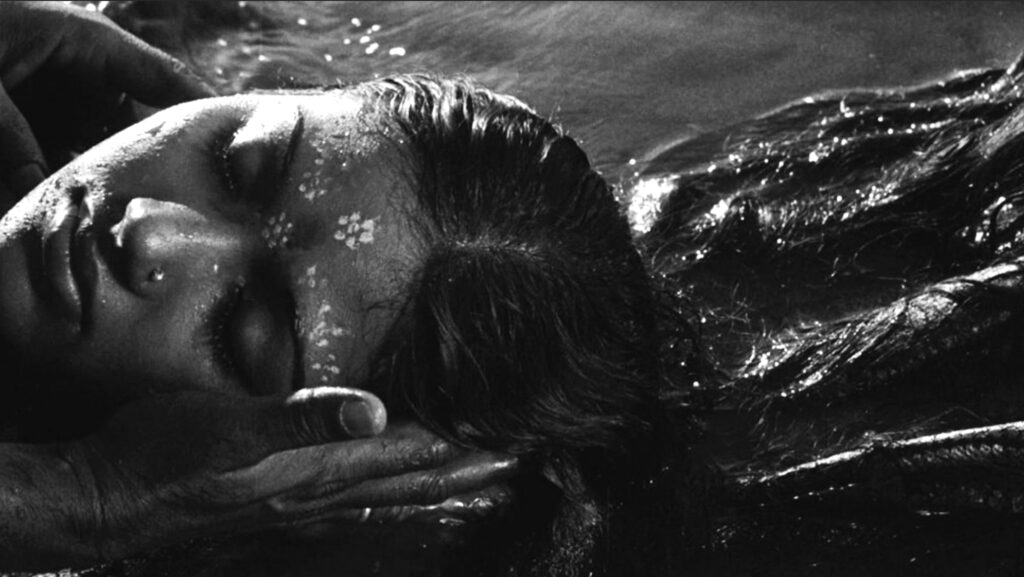
In Subarnarekha (The Golden Line, 1963), a refugee family resettles near an industrial landscape by a river, hoping to rebuild their lives after Partition. Years of struggle, separation and social prejudice lead to the collapse of those hopes. Epic in feeling, yet intimate in the pain it conveys, Ghatak’s film fuses melodrama, myth and politics into a tragic vision of a new nation scarred by the Partition.
Titash Ekti Nadir Naam (A River Called Titas, 1973)
happens when in 1972, Ghatak returns to his lost homeland, the newly liberated Bangladesh, to adapt Dalit writer Advaita Mallabarman’s novel about a fishing community whose lives depend on a dying river. Foreshadowing our climate crisis, Ghatak’s radically structured narrative weaves personal tragedy with ecological fragility, in a visually gorgeous meditation on the resilience of people and culture amid environmental loss.
Jukti Takko Aar Gappo (Reason, Debate and a Story, 1974) is a powerful exercise in auto-fiction, with Ghatak himself taking the lead role as a washed-up, alcoholic intellectual journeying through 1970s Bengal, measuring his own personal and political failures against the Naxal Movement and the Bangladesh Liberation War. This was Ghatak’s last testament, in which he finds hope for the future, even in the shadow of his own death.

© 2021. All Rights Reserved. Website by Trendy Web Works